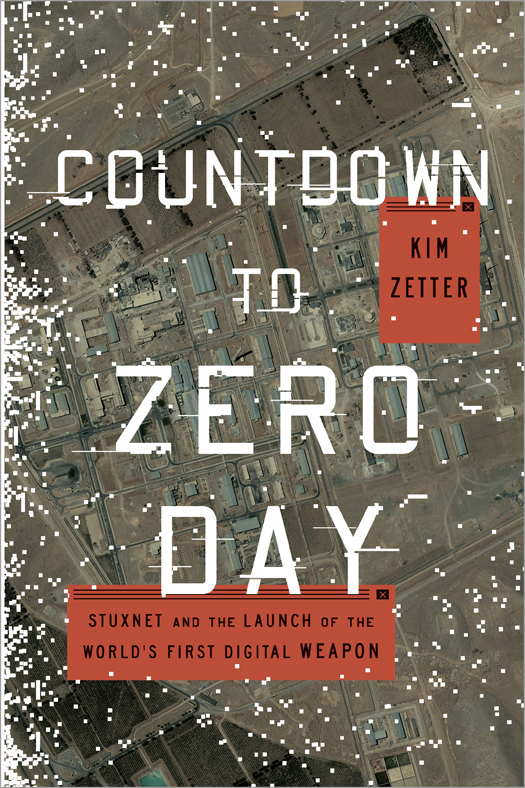
Countdown to Zero Day by Kim Zetter
A deeper dive than I was expecting into the discovery of the Stuxnet attack and its believed impact on the Iranian nuclear-weapon program.
The forensic analysis effort of the code was well told. I found it interesting.
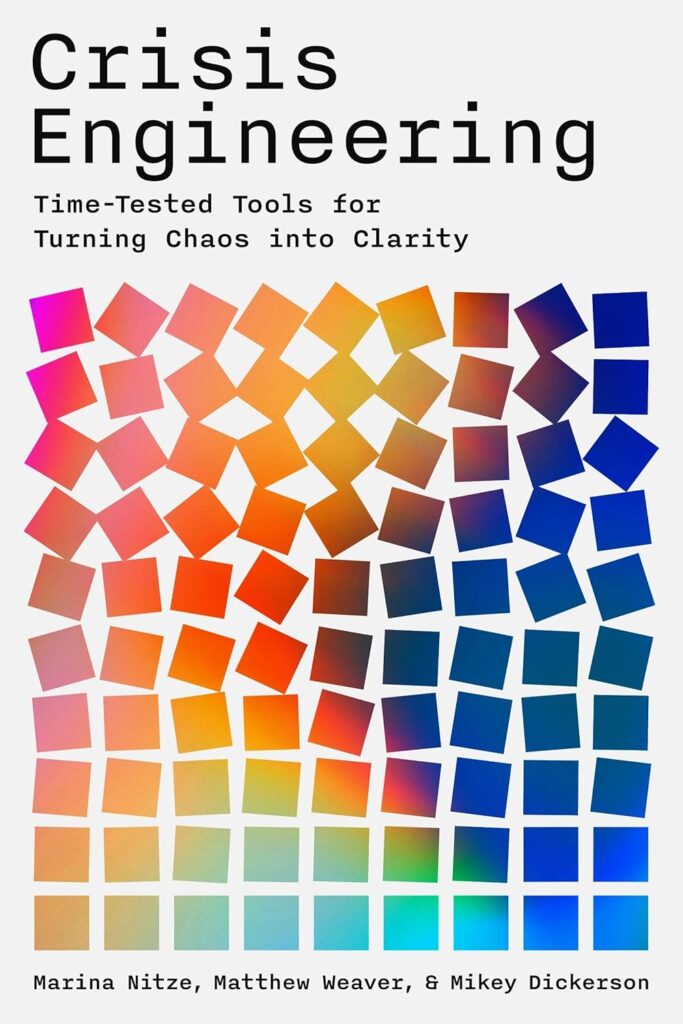
Crisis Engineering by Nitze, Weaver, & Dickerson
Lessons learned from a team brought in by organizations to help resolve technology-related crisis situations. For example the botched roll out of healthcare.gov and California’s Covid-era unemployment system collapse.
If you’re in the tech industry the case studies will be unnervingly relatable, but also a little cathartic to know you’re not alone. The dysfunction all around you is, sadly, common.
I would read an entire book of similar case studies to hear more stories like: the unkillable 3AM status-update phone call, the call center that doesn’t know it’s a call center, and why aren’t you using the operations center built for this?
Full disclosure: I am related to one of the authors
Jurassic Park by Michael Crichton
After two technical, non-fiction books I wanted something light. So I did another read of Jurassic Park.
While it’s almost a truism that books are better than the movies, I think the movie actually does a really good job of cutting out some distractions and telling the core story really well.
For example, the book has a slow opening presumably intended to build some mystery, but the title rather gives away where it’s going so I’m not sure the slow-burn opening is beneficial. And then it ends with an unnecessary excursion to find the raptor nests. Which might have made sense to set up the sequel, but the sequel has nothing to do with the migrating raptors plot line (as I recall).
Anyway, I still enjoyed it.